
Signs Your Body Needs More Sodium
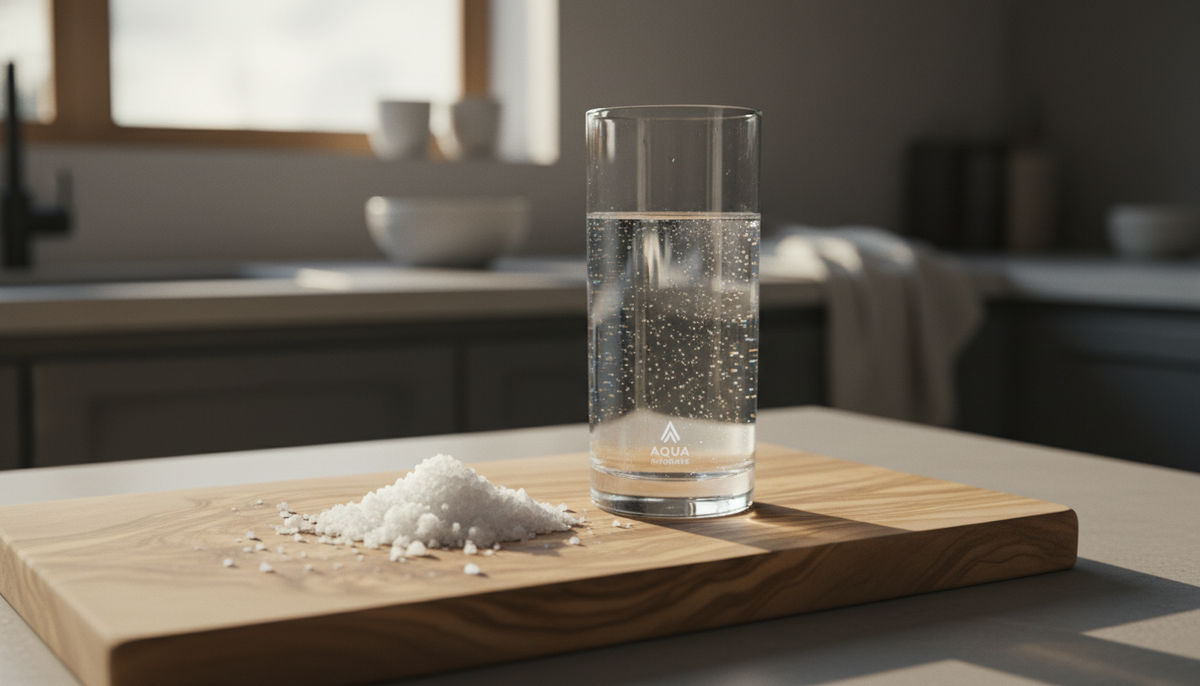
Sodium is one of the minerals most people associate with electrolyte beverages. This piece is a general overview of electrolyte beverages as a category, not a medical guide and not a treatment plan.
None of the information below is medical advice. DRINK SALTD products are foods and beverages, not therapeutic goods. They are not intended to diagnose, treat, cure, prevent or manage any health condition. If you have concerns about your health, speak to your GP.
What sodium is, in a beverage context
Sodium is a mineral. It is naturally present in many savoury foods and is one of the minerals lost through sweat. An electrolyte beverage is a food that brings sodium together with water and other minerals in one serve.
What's typically in a daily electrolyte drink
- Sodium — the main mineral lost through sweat and a key component of most savoury foods.
- Potassium — naturally present in many fruits and vegetables.
- Magnesium — a mineral naturally found in nuts, seeds, leafy greens, and whole grains.
What to compare on the label
Useful things to look at, brand to brand:
- Sodium content per serve.
- Whether there's added sugar.
- The sweetener (if any) used.
- The country of manufacture and ingredient sourcing.
- The overall serving format: powder, ready-to-drink, sachet, or tub.
From the brands DRINK SALTD curates, Dr.Hydrate and Revitalise are two examples of daily electrolyte beverage ranges. Each label tells its own story; the comparison is yours to make.
How DRINK SALTD curates the shelf
DRINK SALTD brings together Australian and international electrolyte beverage brands in one place. The goal is simple: clear labels, transparent ingredient information, and a tidy range that makes it easier to compare brands like for like. The shelf does the legwork; you pick the brand that fits your routine.
The takeaway
Electrolyte drinks are foods. They're a tidy way to bring sodium, potassium, and magnesium together with water in a single serve. They are not a treatment for any health condition. Use them as part of a daily food and drink routine, and talk to your GP about anything medical.